This blog will continue to be updated as I travel the world, and relevant information becomes available and irrelevant spending happens. Last Updated: June 27, 2026
I began my journey as a full-time solo traveler in March 2024. While that first year started with the naive expectation that a change in environment alone would result in some kind of karmic reinvention—a fresh start to a life that had, to that point, been a mess at best—it ended with a swarm of major setbacks, a total loss of self, and a completely broken spirit. I arrived in Bangkok on the afternoon of my 40th birthday, almost eleven months to the day I originally left the States, numb, but ready to move forward. After nearly a year of uncertainty, I intended for Bangkok to be the restart to my restart, and as if by karmic miracle, it was.
I spent the better part of five months last year exploring the streets, alleyways, night markets, and expansive malls of Bangkok. I sandwiched extended stays in the city between visa runs to neighboring countries and time spent exploring other parts of Thailand. And while that was barely enough time to scratch the surface of this deeply inspiring and sprawling metropolis, the interactions and experiences I had there began reshaping my understanding of what a full and successful life actually looks like. Reinvention became a natural evolution, not a forced story arc in the life I thought I was supposed to want.
Bangkok’s unique blend of chaos, culture, and serenity gradually unwound the cortisol-fueled frenzy that defined my first year of solo travel. The city’s vibrant daily rhythm, intricate cultural tapestry, and ever-present aroma of sizzling street food have an uncanny way of grounding even the most experienced of overthinkers in the present moment. In short, I owe Bangkok everything.
featured gear
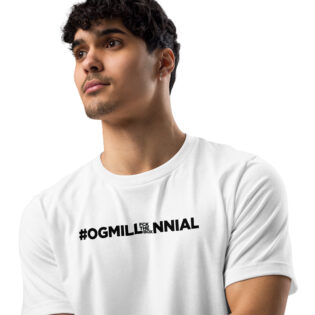
FCK THE ALGORITHM GYM TEE
In a world where algorithms dictate what we see and how we live, this tee offers a bold declaration of resistance. Stand out, think freely, and live authentically… because your life isn’t a curated feed. It’s raw, real, and entirely your own. Don’t engage in the bullshit or fall victim to clickbait. We can and will live in the world we create on our terms.
Before we dive into the meat of this post, a quick note: This isn’t another “Top 10 Things to Do in Bangkok” guide. It’s a collection of the practical, often overlooked details that shaped my day-to-day life while living here—things I wish someone had told me before I arrived. And even though Bangkok was not the first city I created one of these guides for, my extended time there makes it the most complete and informative. The complete collection of “Shit You Should Know…” can be found here.
Immigration:
Immigration & Visas: Thailand has surged in popularity over recent years. Not only has traditional tourism boomed, the country is also increasingly popular among digital nomads, migrants, expats, and long-term visitors. So much so that the government has been cracking down on visa extensions, border runs, and multiple entries/exits within the same year. Long-term visas, such as the DTV or Educational Visa, are becoming harder to obtain as their requirements grow longer and more stringent, and the enforcement of income requirements, even for 60-day tourist visas, is now a regular practice upon initial entry.
The first two times I entered Thailand last year (February & June), I had no issues. By the third time (September), my visit was much more intently scrutinized and questioned at the immigration desk, and by my fourth visit—In January of this year, after being away from the country for two months—I was pulled out of the passport control line, remanded to the immigration office, and questioned about why I was returning… again. The only reason I was able to enter was that I applied for my tourist visa in advance (rather than upon entry), could prove I still had deep attachments to the States, and already secured all of my accommodations and ongoing travel, dated within 60 days of my initial entry. In short, the days of easy access and extensions in Thailand are over, and you’ll want to be much more intentional if you’re planning to spend a significant amount of time in The Land of Smiles. For more up-to-date info and guidelines, check out this article, published by Zagdim.
Thailand also requires all visitors to complete a Digital Arrival Card, preferably at least three days before entering the country. Its purpose is to streamline the immigration process, enhance security measures, and improve public health monitoring. It is NOT an optional form. To enter the country, you must complete the online form at least 72 hours before your initial arrival. More information and the form itself can be found here.
Finances:
Cash v. Card: Whether your preference is to use cash or a debit/credit card, you’ll have no issue exploring Bangkok. That being said, there are a few things to keep in mind if you only plan on using one or the other:
Apple/Samsung Pay/Digital Tap to Pay isn’t as common as you might assume. The only consistent place I was able to use my phone to pay was at Starbucks. However, Tap to Pay with physical cards is available at most major chain retailers, restaurants, and larger stores.
There is a 200 Baht minimum (roughly $6) when using credit and debit cards in 7/11. Other stores have minimum spends as well, but 7/11 was the most relevant/memorable for my adventures.
There are SO MANY independently-owned street stalls and food trucks, as well as smaller food and goods markets peppered throughout the city. In my experience, many smaller vendors only accept Baht or QR payments; however, the latter is typically only available to those with a Thai bank account and/or phone number, so if you don’t have either, you could miss out on some AMAZING finds.
I found one workaround to the above QR Code rule during my final entry into Thailand this January: KBank offers a prepaid “Pay & Tour” debit card that works like a regular debit card. In conjunction with their app, you can also generate a QR code to serve as a payment option for those vendors who don’t accept cards. This is extremely helpful as almost all vendors, including food stalls, bikes, taxis, convenience stores, restaurants, etc., accept QR payments, even if they don’t accept cards.
If you’re taking public transportation, including public buses and the BTS, and don’t have a QR Payment option, you’ll need Baht to purchase a ticket at station machines or from attendants. However, if you’re using the Metro to get around Bangkok, you can use your credit/debit cards to swipe in and out of the turnstiles.
Expect to incur a minimum 250 baht ($7.50) service charge on every ATM withdrawal, and that’s just on the Thai bank side. Any additional fees would depend on your home bank’s rules and regs.
I know Starbucks and other big international chains can be controversial for many valid reasons, so this information isn’t meant to advocate for supporting Starbucks in general. Rather, it’s just a practical note for digital nomads (and fellow non-coffee-snob, “basic Starbies bishes” like myself) who sometimes need a more reliable and comfortable workspace. Because of multiple knee and back injuries, seating and table setup can literally make or break my workday and productivity, and Starbucks, with its varied seating options, is often the most comfortable option for me when I need to execute long work sessions. I only include this note because if you’re planning to spend extended time there, most locations are card/QR only (including the Starbucks Thailand app) and do not accept cash. The app also requires a Thai phone number, making it practically inaccessible for short-term visitors.
My first day actually adventuring in Bangkok.
Views from the Bang Son Purple Line Metro Station.
Transportation:
Google Maps: When I lived in South Korea, I made the mistake of assuming Google Maps would have my back… it most certainly did not. Thankfully, it’s actually super reliable in Bangkok, providing accurate routes and schedules for all modes of transportation, whether you’re driving, biking, walking, busing, or taking the BTS and Metro (metro-ing? Yeah, we’ll go with that).
Easiest Way to Get Around: If you want to move efficiently and stay cool, the Metro (MRT and typically underground) and BTS Skytrain (always overground) are your best bets. Just be warned: during peak hours, expect to be packed in tighter than the Lexington Ave Line in NYC. And if you’re outside the city center? No matter what mode of transport you choose, it’ll take at least forty-five minutes to an hour to get where you’re going, and even longer during rush hour and bad weather. Plan accordingly.
To get a Rabbit (BTS) or Metro card (which will save you from always having to carry baht and/or purchase a single ticket every journey), you’ll need your passport and a physical address to register at the station counters.
Buses, Grabs, and Tuk Tuks: During my time in Bangkok, I tried almost every mode of transportation available, save for boats and Grab Bikes. Here’s a breakdown of each:
Buses are your cheapest option, with older, non-AC buses running 10–20 Baht, while those with AC and more comfortable seating cost a bit more. Pro Tip: Just sitting at a marked bus stop won’t cut it. You’ll need to look for your bus/route before it reaches the stop and then flag it down. If you don’t, it’ll keep rolling on by like you don’t exist. Unfortunately, it took me way too long to figure out this little nuance.
Grabs & Taxis are convenient, with Grab being the Southeast Asia equivalent of Uber (and Uber Eats). Grab is generally slightly cheaper than local taxis and offers an app with multiple payment options, also making it more convenient.
Tuk-Tuks are iconic, loud, and a fun way to weave through traffic, but they’re not the cheapest. I’ve also heard they can be dangerous/a scam, but given my limited experience with this mode of transport, I didn’t share that experience. The best approach? If you’re using cash/baht, negotiate the price before you get in, or use the MuvMi app to book in advance to avoid the hassle of haggling altogether. Just be aware that, unlike Grab, Tuk-Tuks only pick up and drop off passengers in specific areas.
Flights: Just a quick note specific to Air Asia: When I was booking the return flight to Bangkok after my first visa run to Cambodia, there was a $60 price difference between the mobile app and the computer. I started on the app, but was unable to expand the section that included the full price breakdown (no idea why). Something told me to try from my computer before completing the booking, and I’m so glad I did, because I was able to remove the cause(s) of the increase. I’m not sure if it was a fluke or universal issue, so when all else fails, be a good lil millennial and do the important things from your big computer.
Bangkok’s unique blend of chaos, culture, and serenity gradually unwound the cortisol-fueled frenzy that defined my first year of solo travel. The city’s vibrant daily rhythm, intricate cultural tapestry, and ever-present aroma of sizzling street food have an uncanny way of grounding even the most experienced of overthinkers in the present moment.
Food:
Cost, Quality & Variety: When it comes to value for money in the food scene, it’s hard to beat Thailand (although I may have done so in Vietnam, but we’ll explore that at a later date). I averaged just under $21 a day on food, which predominantly consisted of eating out rather than cooking at home, and my daily fix of coffee or Thai tea (or both!). Access to high-quality food is unmatched throughout Thailand, with markets, fully stocked convenience stores, high-end restaurants, and food vendors literally on every corner.
One common misnomer, however? If you believe everything you consume on social media, then you’ll undoubtedly believe eating in Bangkok—and Thailand in general—is “cheap”. I hate to break it to you, but that really couldn’t be further from the truth. Is it affordable? Yes. Is there a ton of variety? Yes. Is it excellent value for the money? Absolutely, yes. However, unless you plan to “eat like a local” every meal, every day, your food budget will be far more than expected.
Vegan/Vegetarian Diets: While standard menus tend to be meat-heavy, there’s no shortage of vegetarian, pescatarian, and vegan options and outlets in BKK. No matter your dietary needs or restrictions, you’ll find something satiating. And don’t sleep on the fruit and produce! Street vendors sell fresh, pre-cut fruit for less than $1, and trust me when I tell you, the fruit in Thailand is fresher, sweeter, and lasts longer than anything you’ll find in the States.
For info on specific restaurants, and to keep the scroll load on this guide as low as possible, I compiled a full list on my personal “Best Bangkok Bites” here.
Tasty bites from Veganerie Concept…
…followed by 2-for-1 drinks at Cooling Tower.
People & Safety:
Kindness: This is the Land of Smiles for a reason. I felt it the moment I got off the plane. Almost everyone smiles or offers a friendly greeting or head nod. Almost every interaction I had was kind, helpful, and positive. Like in South Korea, I experienced no issues leaving my personal items while working in public spaces or taking a call at Starbucks. Obviously, I’m not advocating for leaving your things unattended for hours, but in all my travels throughout Southeast Asia, I’ve never had anything stolen.
Safety: When it comes to general personal safety, Bangkok ranks high compared to many large cities worldwide. Violent crime rates are relatively low, and petty theft is uncommon, except in major tourist areas. People generally respect boundaries, and most locals are quick to help or give directions when asked.
Of course, like in any big city, it’s important to stay aware of your surroundings, especially at night or in crowded areas like the train stations in the more tourist-central parts of the city (Sukhumvit, Asok, ICONSIAM, etc). But overall, the city has a low crime rate, and you’ll find that both locals and visitors (including me) feel at ease walking around, even after dark.
Tech:
In terms of power, Thailand uses a combination of U.S. and European-style plugs, and the outlets are designed to accommodate both sets of prongs. However, the voltage in Thailand is 230V, so most basic U.S.-based devices (hairdryers, electric toothbrushes, clothes steamers, etc) need a step-down transformer to work. If you have internationally compatible devices, like most Apple and Samsung products, you won’t need a transformer… just plug in and go.
People, Technology and Food are all safe in Bangkok…
Gyms & Wellness:
As seen on many an Instagram influencer video, many higher-end rentals and condos in Thong Lor, Sukhumvit, Sathorn, etc., come equipped with expansive in-building gyms and wellness areas. My cute little budget condo in Bang Sue, where I stayed during my first visit, did not. For that reason alone, I explored numerous gyms across the city and suburbs.
In Thailand, fitness and wellness are just as important for social well-being as they are for physical health. Whether you’re into weightlifting, yoga, Muay Thai, swimming, or even group sports, there are plenty of options to stay active, both in traditional gyms and through community-based activities. That being said, through all my explorations, Jett’s and Asoke Sports Club became my go-to options in Bangkok.
Jett’s 24-Hour Fitness: A solid chain of fully equipped gyms perfect for weight training, cardio, and group classes. They have multiple gyms throughout Thailand—and beyond—with multiple membership tiers that also provide access to almost all locations across the country. With almost 40 locations in Bangkok alone, I was able to squeeze in a workout no matter where I was living or exploring, and at a cost of less than $40 per month, it was more than worth the commitment.
Asoke Sports Club: If you’re looking for something beyond just a gym, Asoke Sports Club has it all: mini-golf, pickleball courts, and even volleyball courts, where I spent more than a few evenings playing and diving in the sand. They also have a super affordable drop-in fee of just 200 baht (less than $6) for open-play volleyball sessions, making it a great option if you don’t want to commit to a full membership but still want access to quality facilities.
Toilet Paper, Trash/Recycling & Plastic:
Toilet Paper: Okay, it’s official… If this journey has taught me nothing, it has made clear that I’m the cringey, spoiled American when it comes to potty protocol. In Bangkok, like many other countries, toilet paper must go in the bin, not down the toilet. I hate it. But I get it… the plumbing systems aren’t built for paper, and flushing it could cause serious issues (and in some cases, large fines). It’s not what I’m used to, but it’s also not the end of the world. So, just remember: wipe and toss, never flush.
On a similar note: Most of the toilets in Bangkok are equipped with spray guns at least, bidets at best. A word of caution: ALWAYS CHECK THE WATER PRESSURE BEFORE USING THE GUNS ON ANY VITAL BODY PARTS. Thank me later. 🙂
Trash, Recycling & Plastic: When it comes to plastic use, Bangkok is right up there with the U.S., if not worse. I tried to reduce and recycle as much as possible, bringing my tote bag to the grocery store and repurposing heavier-duty plastic containers as makeshift Tupperware (shoutout to the Betty Crocker/Rubbermaid era of our childhoods).
That said, recycling is also widely practiced in Bangkok, with separate bins for plastic, glass, and other waste in many public spaces. Some apartments, convenience stores, and supermarkets even have dedicated recycling stations, making it convenient to dispose of items properly in almost any situation.
Finally, many places serve drinks like Thai tea and boba in sturdier plastic cups, which can be reused at least a few times, and many vendors offer a discount for bringing your own cup, so if you’re looking to save a few baht while cutting down on waste, it’s a win-win.
Gym Selfies at Jett’s…
When life hands you falling watermelon… grab a stick to catch it 🙂
Fashion & Malls:
Fashion: If you’re a fashion girlie like me, do not make the mistake I did. I absolutely LOVE clothes, shoes, and all things fashion; however, after spending the first year of this journey in more low-key places like Wrexham, Pyeongtaek, and Barbados, I just assumed dressing up wouldn’t be a big deal when I got to Bangkok. I was soooo wrong.
While I never thought Bangkok was rural or small, I also didn’t fully grasp that it’s on the same level as NYC, Hong Kong, or London in terms of fashion, nightlife, and overall energy. And the longer I stayed, the more I started mentally rifling through the hundreds of outfits, accessories, and shoes I wished I had brought with me—luggage weight limits be damned. So my advice here is simple: whether you’re a full-fledged fashionista or more comfortable living out of a backpack, bring at least a few outfits that make you feel like a star. You’ll be so glad you did.
Malls: If the United States killed mall culture, Bangkok not only revived it, the city also perfected it. Malls in Bangkok exist on a level I’ve yet to experience anywhere else. There are hundreds of malls in Bangkok alone, many of them packed wall-to-wall with luxury goods, stores, and restaurants. Every few blocks, you’ll run into another massive mall or shopping complex, and they’ll be packed with tourists and locals alike. From local brands and delicacies to international fashion houses and world-renowned athletic brands to amusement parks, gyms, car dealerships, and even multistory waterfalls, you’ll find everything you can imagine, and so much more, within the hallowed halls of Bangkok’s massive sea of malls.
My first stop on my next stateside layover will be my closet 🙂
Reclaiming my angel number… IYKYK
Environment:
Weather: Yes, Bangkok is warm. Yes, Bangkok is humid. But for someone like me who absolutely hates being cold, I had zero complaints. That said, between the towering buildings, constant cloud/smog cover, and the occasional rainy days, which can be intense enough to cause severe flooding throughout the sprawling city, actually seeing the sun is rarer than I expected.
Air Pollution: Bangkok’s energy is unmatched, but so is its air pollution, especially during the dry season (December to April). Some days, the smog is noticeable, and air quality can dip into unhealthy levels, so if you have respiratory issues, a good mask (like an N95) is a must. Checking the Air Quality Index before heading out is also a smart move, and many locals and expats invest in air purifiers for their apartments. Thankfully, after a good rain, the air tends to clear up, offering a much-needed breather… literally.


[…] the traffic can be THICK, especially in tourist areas around Walking Street and during peak hours. Just like in Bangkok, plan for extra time if you’re grabbing a Grab under these […]